A guest essay from Luke Fodor, rector at St. Luke’s Episcopal Church and JFM’s biggest cheerleader.
These days, too many conversations seem to begin with the price of gas. And when it’s not gas, it’s the price of eggs or milk. The economy, the power of the dollar, and finding the best value have always been among our concerns. But lately, it seems we can’t take any of it for granted. Since I am not really a car person, when I pull up to the gas pump, I tend simply to push the button on the left and select the 87 octane. I am sure there are many good reasons to choose a higher octane—reasons that largely escape my understanding—but I’m afraid I am far more attuned to the difference in price than I am to the benefits of a better grade of petroleum.
I can say, however, that I don’t make the same choices when I am standing in the aisles of the grocery store or shopping at the Jamestown Farmers Market.
When I am considering the fuel that will enter my body, I often opt for the cleanest and most nutrient-rich foods I can find. I look for fresh fruits and vegetables, locally grown produce, and foods with fewer additives and ingredients I can actually recognize.
Because food is more than fuel. Food is medicine.
What we eat can have a profound effect on our health and well-being. Good nutrition can help us manage chronic health conditions, strengthen our bodies, and improve our quality of life. But there is a problem with simply telling people to “eat healthier.” Not everyone has the financial ability to stand in a grocery aisle and choose the more nutritious option without first looking at the price. When every dollar matters, the question is often not "which food is best for my body?" but rather "which food can I afford?"
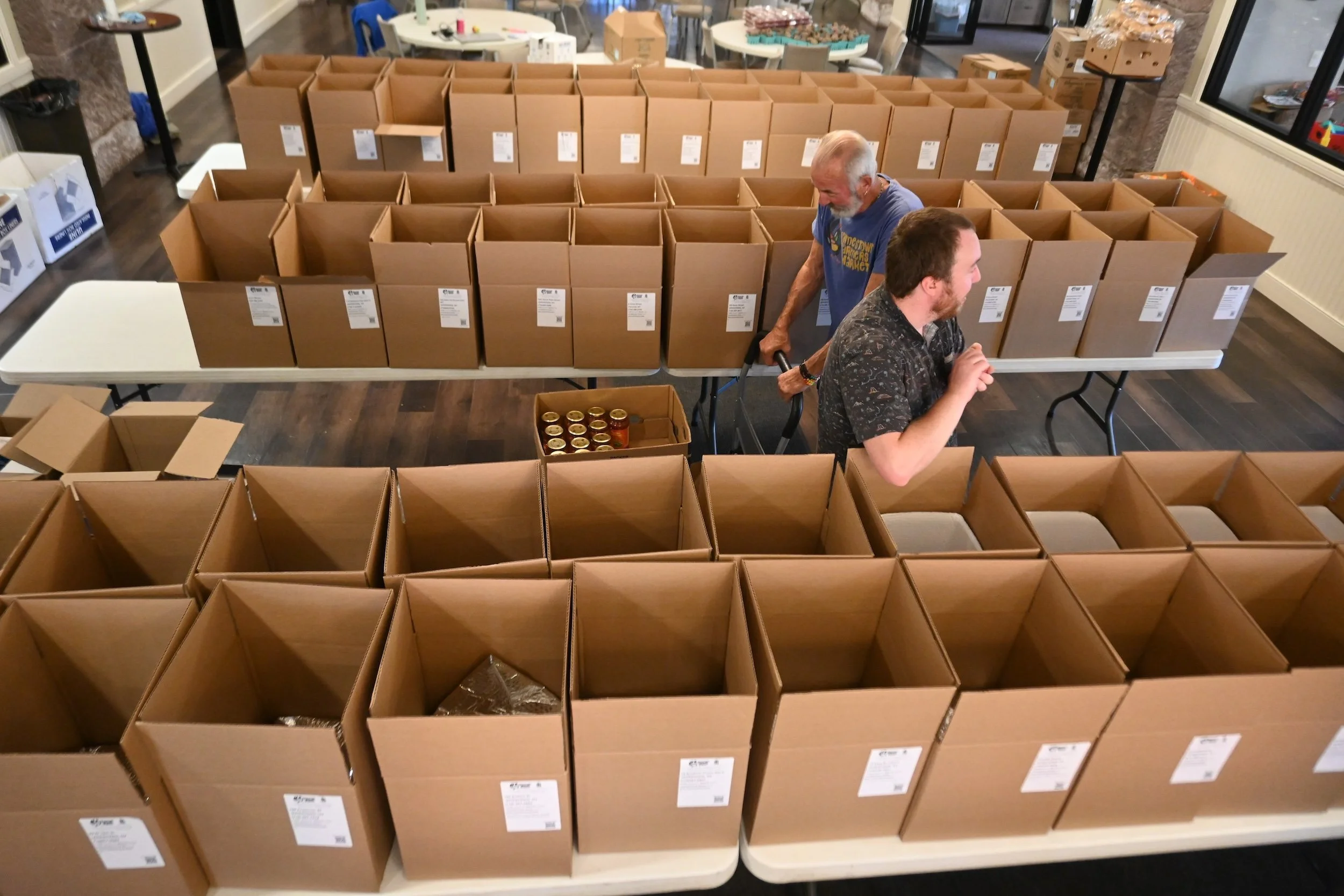
That is why one of the programs we are especially proud to offer through the Jamestown Farmers Market is our partnership with the Western New York Integrated Care Collaborative, which helps eligible Medicaid members access nutritious food tailored to their particular health needs. Through this program, participants may receive prepared meals, fresh produce, or grocery items designed to support their individual health needs. At the Jamestown Farmers Market, we currently have the privilege of serving an average of 75 to 85 people each week through this partnership.
That means 75 to 85 of our neighbors each week have greater access to nourishing food—not simply because it is desirable, but because it is an important part of caring for their health. There is something wonderfully simple about that.
We know that access to healthy food should not be a luxury. A person’s income should not determine whether they can put fresh vegetables on the table or choose foods that support the management of a health condition.
The Farmers Market has always been about more than buying and selling produce. At its best, a market is a meeting place—a place where farmers, neighbors, families, and community organizations come together around one of the most basic things human beings share: we all need to eat.
And increasingly, we are recognizing something our ancestors understood quite well: the food that sustains us can also help heal us.
Food is medicine. And through partnerships like this one, we are working to make sure that good medicine is within reach of more of our neighbors.
To learn more about JFM’s food box programs, including the Food Prescription Box described above, head to our Food Box page.